Independent Out-of-Home Advertising
Real 2026 billboard advertising prices for the UK, from £325 per regional 48-sheet. Every format, every tier, published with no mark-ups.
Jamie Roberts has spent 20 years in advertising for businesses across the UK. He founded Loud! OOH in 2026 to make OOH advertising genuinely accessible to SMEs through transparent, no-markup pricing.
Billboard advertising is where this industry hides its prices most stubbornly. Search for billboard costs UK and you will find page after page saying prices “vary depending on location”, which is true of everything ever sold, followed by an invitation to get in touch for a quote. We think that is exactly backwards. We put our billboard prices on an actual billboard, which tells you how strongly we feel about it.
Out-of-home is one of the few traditional media channels still growing in the UK, with revenue hitting a record £1.44 billion in 2025 and digital now accounting for 67% of it. Billboards remain the backbone. There are tens of thousands of billboard faces across the UK, from town-centre 6-sheets to landmark digital screens, and they share one characteristic no other medium can claim: they cannot be skipped, blocked, closed, or scrolled past.
OOH industry news · Q2 2026
OOH advertising revenues for the second quarter of 2026 total £402.6m, an increase of +12.7% compared to the same period last year.
The figures, collated by PwC, reveal that Digital OOH revenue grew +14.6% and Classic OOH grew +8.8%. Digital’s share of revenue in Q2 was 68%. The results represent two consecutive quarters of very strong growth for the OOH industry, with H1 seeing +13.7% growth vs H1 2025.
JCDecaux UK continues to lead the way in digital impressions, delivering premium quality and reach across their Out-of-Home estate. They reach 82% of the UK population every month, from roadside and rail to supermarkets and malls, their digital screens deliver greater audience reach and impact across every environment. Explore the latest Route data.
A well-placed arterial site is passed tens of thousands of times a week. Commuters among them pass it every single day. You are buying the road - not just a panel.
Industry data puts OOH ad recall at 79% at thirty days and return at £1.60 per £1 spent. Repetition is the mechanism behind both numbers.
The typical exposure is short - two to three seconds for a driver, longer for pedestrians and stationary traffic. Billboards compensate with volume and repetition.
Site selection is not a detail of billboard advertising. It is almost the whole of it.
The billboard audience is the broadest in advertising: everyone who uses the road. That breadth is either the format’s greatest strength or its biggest source of waste, depending entirely on your business.
Commuters
Working adults · twice a day
A billboard on a commuter artery reaches working adults twice a day. Over four weeks that is forty passes of the same message.
Shoppers
Buying mode · destination traffic
A site by a retail park reaches shoppers already in buying mode - high intent, short journeys, strong local relevance.
Pedestrians
Walking pace · more detail
Eye-level panels at walking pace give time for more detail - the one billboard format where copy genuinely works.
The trust effect
Billboards carry a scale signal that digital advertising does not. A brand on a 48-sheet reads as established, local, and accountable - partly because everyone knows a billboard cannot be targeted at them personally and cannot be faked cheaply. For challenger brands and local businesses, that borrowed permanence is a real asset.
Before you buy any site, the question is simply: who uses this road, and are they my customers?
Billboard Costs: Latest Figures
The complete UK billboard format set – what each one is, what it costs, and who it works for. Rate card figures match the pricing page. Media costs excluding VAT and print production; standard two-week cycle unless stated.
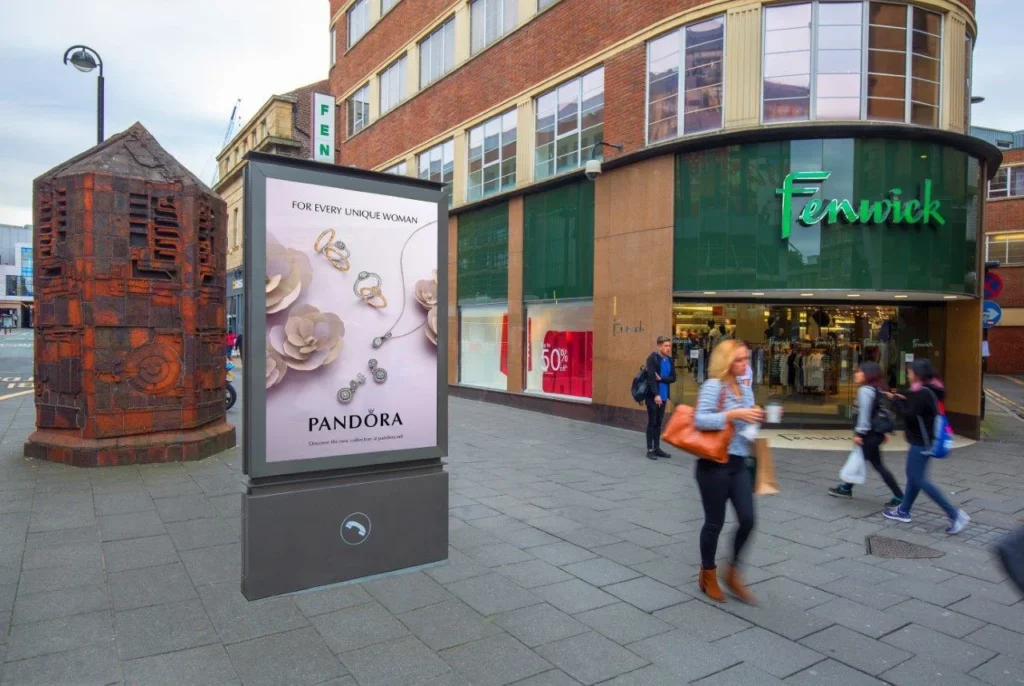
Street-level panels on high streets and retail parks, 1.2m × 1.8m – the Adshel standard. Eye-level and personal, seen at walking pace. The most affordable fixed OOH, bookable in targeted postcode clusters.
London
£400–£900 / panel / 2 wks
Regional
£300–£600 / panel / 2 wks
Size
1.2m × 1.8m
Best for
Local businesses, retail proximity, postcode-level targeting.
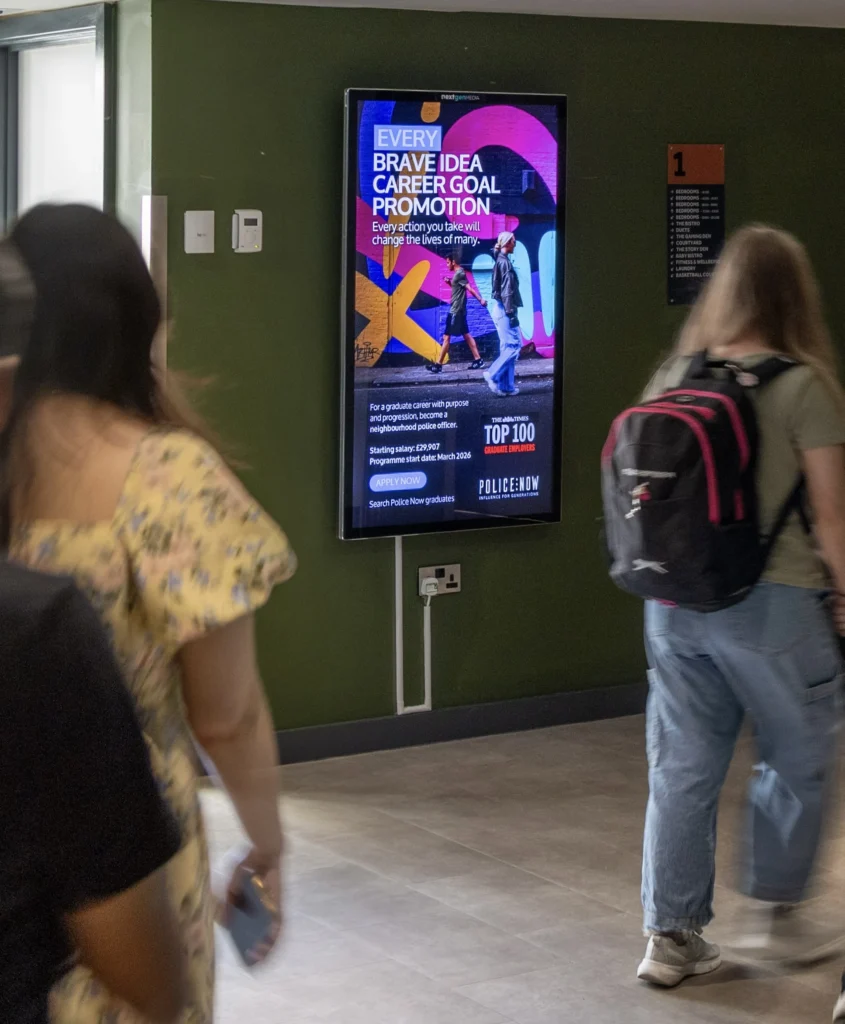
The same street-level format, digital: animated creative, time-of-day scheduling, rotating copy, and fast to go live. Premium DOOH corridors such as Oxford Street are sold as synchronised networks.
London
£500–£800 / week
Regional
£400–£600 / week
Unit
Priced per week
Best for
Time-sensitive offers, daypart audiences, fast launches.
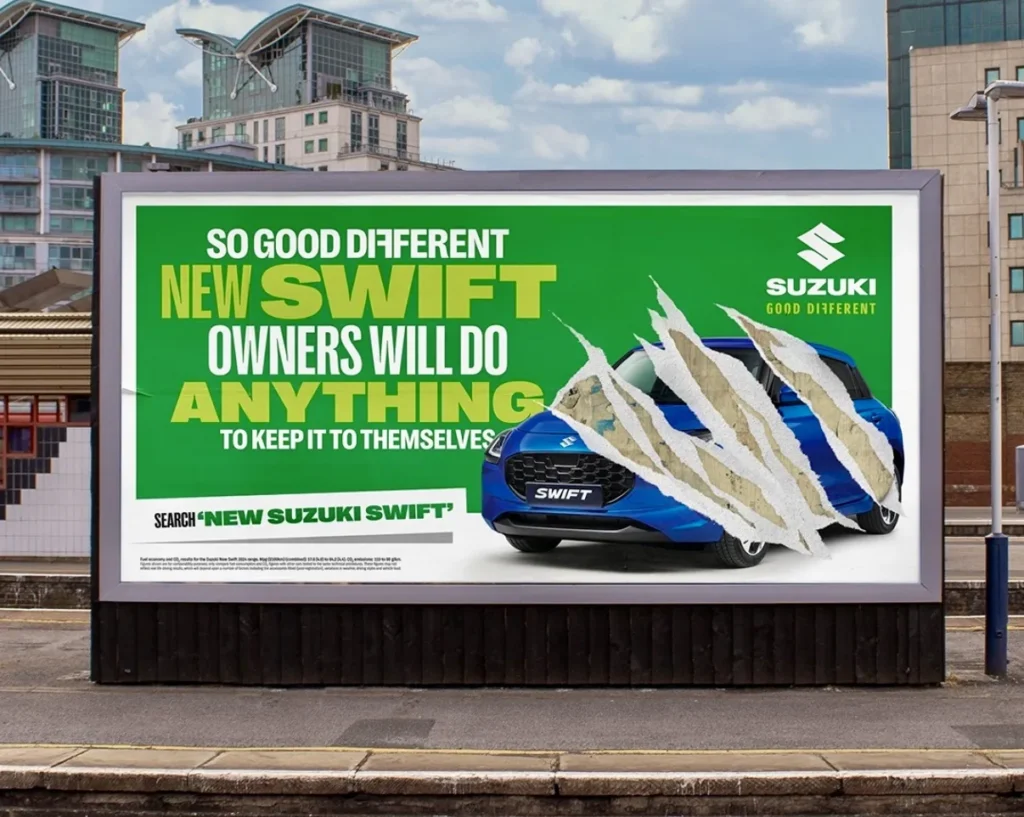
The bread-and-butter billboard: 6m × 3m of dominant roadside presence, and the most popular format in the UK. One visual, few words, big branding. Best value at scale – where most local and regional campaigns should start.
London
£650–£1,000 / panel / 2 wks
Regional
£325–£600 / panel / 2 wks
Size
6m × 3m (20ft × 10ft)
Best for
Local and regional awareness on your customers’ daily routes.
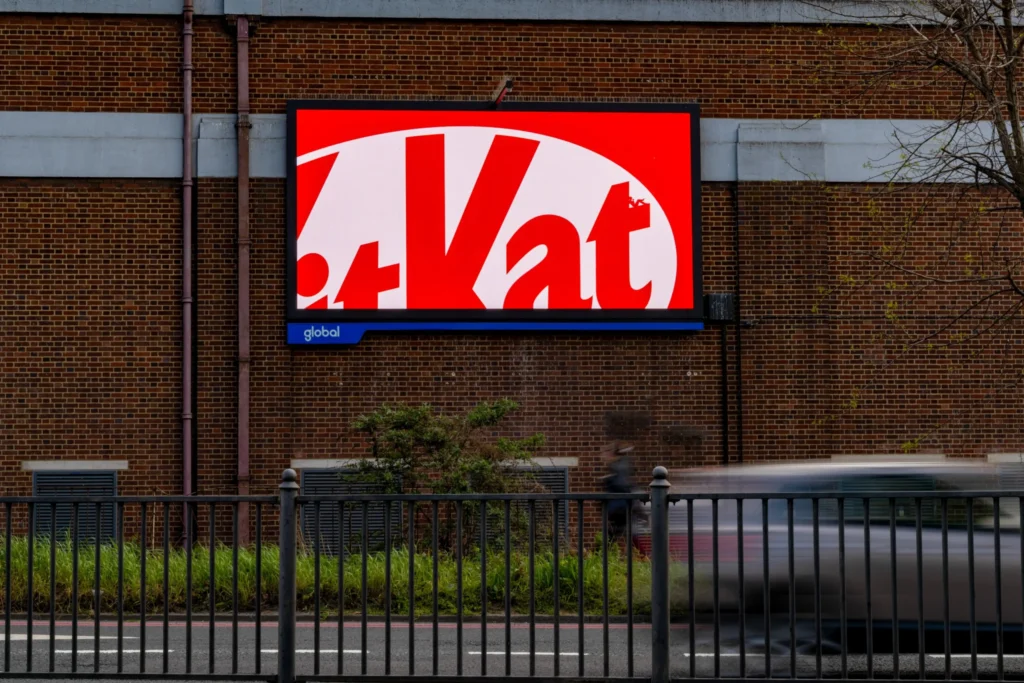
Same size and roadside positions, digital: full-motion creative with weather and live feeds, flexible booking. Share-of-loop pricing opens regional screens from around £500.
London
£1,000–£1,200 / panel
Regional
£500–£1,000 / panel
Share-of-loop
From ~£500 regional
Best for
Creative flexibility, live data, or multiple messages.
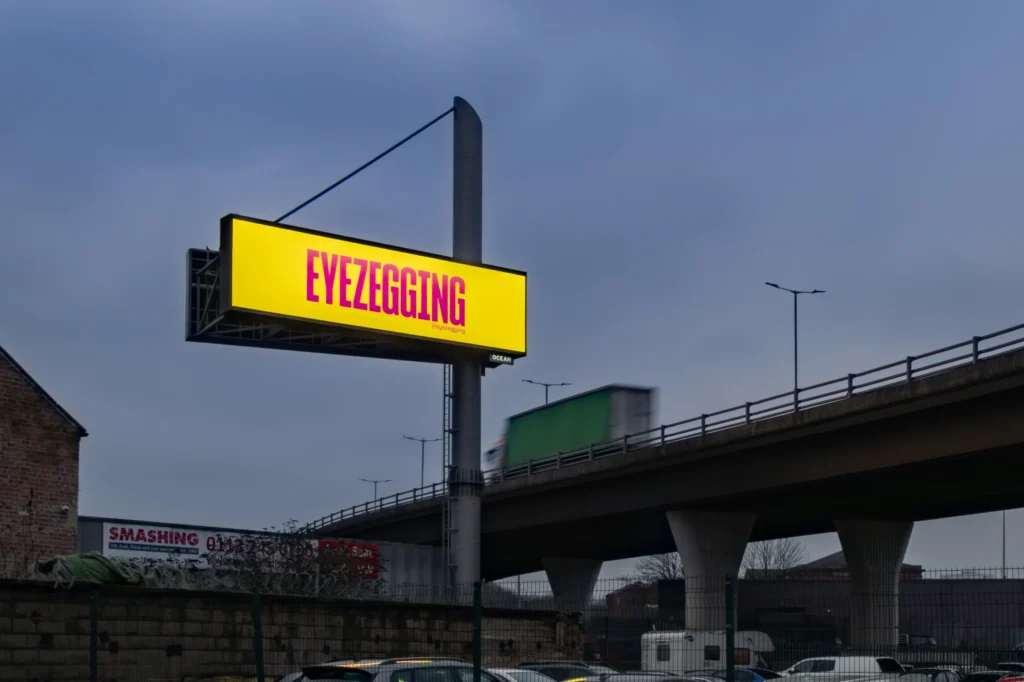
Landmark-scale roadside at 12m × 3m: maximum impact for major announcements and brand launches. Longest lead times in the format; central London premium positions run up to £1,500 per month.
London
from £1,500 / panel
Regional
from £1,000 / panel
Size
12m × 3m (40ft × 10ft)
Best for
Launches, gateway positions, campaigns where scale is the message.
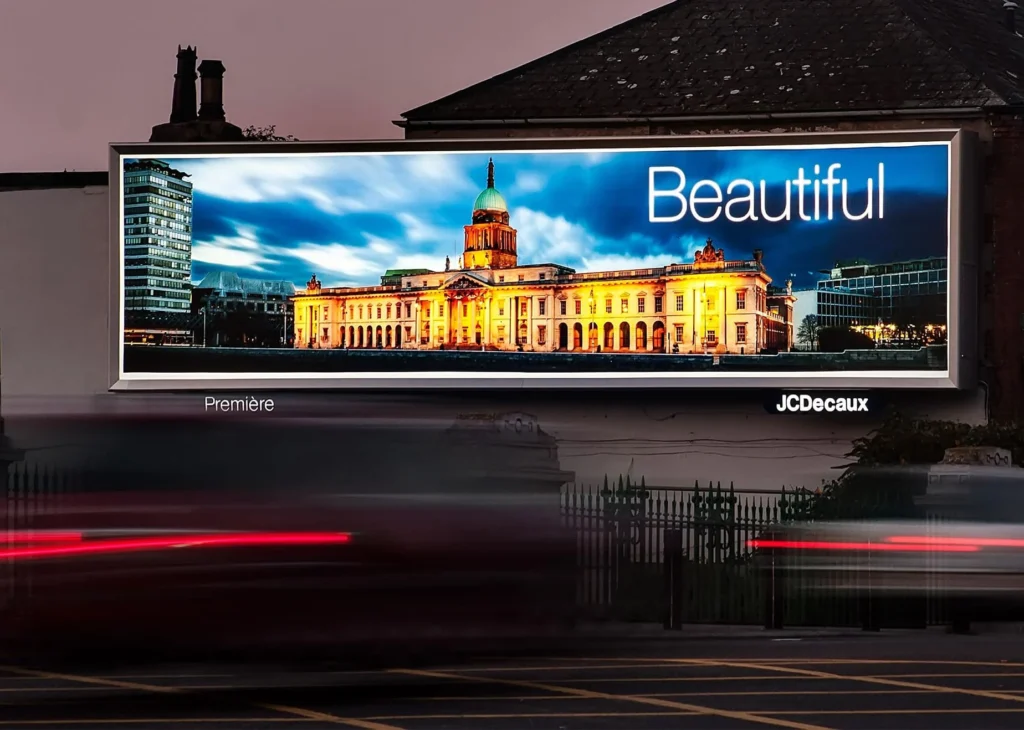
Vinyl on a backlit unit, available in 48 and 96-sheet, giving a high-quality render and 24/7 visibility. The premium buys the night-time uplift – popular near transport hubs.
London
from £900 / panel
Regional
from £650 / panel
Formats
48 & 96-sheet
Best for
Locations with strong evening and night-time audiences.
Media cost only, excluding VAT and production. Two-week periods unless stated - published openly, no mark-up.
Sort, filter, and compare every format in the table below. For all UK OOH formats, see the complete 2026 pricing page.
Tap a row to expand details
| Format | London (2 wks) | Regional (2 wks) | Notes |
|---|---|---|---|
| 6-sheet static | £400–£900 / panel | £300–£600 / panel | Most affordable fixed OOH. Postcode clusters bookable. |
| 6-sheet digital | £500–£800 / panel | £400–£600 / week | Premium corridors sold as synchronised networks. |
| 48-sheet static | £650–£1,000 / panel | £325–£600 / panel | Most popular UK format. Best value at scale. |
| 48-sheet digital | £1,000–£1,200 / panel | £500–£1,000 / panel | Share-of-loop from ~£500 regional. |
| 96-sheet digital | £1,500+ / panel | £1,000+ / panel | Central London premium up to £1,500/month. |
| Backlit / illuminated | £900+ / panel | £650+ / panel | 24/7 visibility. Popular near transport hubs. |
Media cost only, excl. VAT and production. 6-sheet digital priced per week; all others per two-week cycle. Source: Loud! OOH 2026 Rate Card.
These bands map directly onto the packages we publish on our pricing page - how we actually build campaigns, not teaser prices.
Starter
One billboard or one bus shelter for two weeks, with site selection, booking, production, and installation included. Built for businesses testing OOH for the first time. One site, done properly, on the right road, is a genuine campaign.
Local impact
Two billboards, with site selection, production, installation, and a post-campaign report. Two well-chosen 48-sheets covering the main routes into a town make a local business visibly present - the right level for a proper local launch or seasonal push.
City presence
Four billboards as the backbone of a genuine multi-format city campaign, with full site selection, production, reporting, and a free AdVan day. Where regional brands, property, healthcare, and education typically operate.
Landmark
96-sheet digital gateway sites, premium London positions, multi-city coverage. At this level the sites themselves start generating attention beyond their traffic counts - and creative quality becomes the multiplier on everything you spend.
Real example: When we launched Loud! OOH, we put our own message on two 48-sheets on York Street in Leeds - “I was quoted £650 for this billboard” pointing at “Same billboard. Half the price.” Those boards earned national trade press coverage because the creative said something true and specific. The media buys the road; the creative decides whether it buys anything more.
Five variables explain most of the difference between two otherwise similar campaigns.
Two identical 48-sheets can sit at opposite ends of their price range purely on the road they occupy. London runs two to three times regional rates; northern cities sit 40–45% below London - a budget that buys one London panel buys a small network in Manchester or Leeds.
Format
A regional 48-sheet digital starts around £500 against £325 for static - often a share of a rotating loop. On pure share-of-voice per pound, static wins. Digital earns its premium through flexibility: no print, dayparting, live data, multiple creatives.
Calendar
Q4 costs 10–25% more as pre-Christmas demand peaks. January and February are the cheapest months - for awareness campaigns that do not depend on seasonal timing, the new year window is where budgets stretch furthest.
A 12-week booking runs 20–30% below the equivalent 2-week rate. Three or more sites typically unlock a 5–20% discount. Since repetition is the mechanism that makes billboards work, pricing and effectiveness point the same way: book longer.
Heavily discounted last-minute space exists across the UK billboard estate. For advertisers with flexible timing and ready artwork, remnant buying is the single cheapest route onto good sites - and a clear example of agency rates beating going direct.
What headline prices never include: Print production, artwork and creative fees, and VAT. Installation is usually included on standard formats. Budget for the total, not the media line.
The billboard is the most reliable format in outdoor when three things are true: the road carries your audience, the creative works in three seconds, and the booking runs long enough for repetition to compound.
Billboards build awareness and familiarity at the lowest cost per thousand in advertising, with an unskippable, brand-safe exposure that repeats daily. When campaigns fail, it is almost never the format - it is one of those three.
Billboards build awareness and familiarity at the lowest CPT in advertising. Unskippable, brand-safe, daily repetition. For local businesses, a billboard also makes you look established in your own town - which changes how every other piece of your marketing lands.
They do not generate trackable clicks. Two to three seconds does not read paragraphs. Audience figures are modelled, not measured per person. And a billboard cannot narrow its audience - for niche B2B propositions, most of the money reaches the wrong people.
When campaigns fail, it is almost never the format. It is the road, the creative, or the duration.
Start from journeys, not maps. A cheaper site on the right road beats a prestigious site on the wrong one every single time.
List where your customers actually drive: to work, to school, to the retail park, into town. Buy the sites on those journeys.
Photographs flatter billboards. Visibility distance, obstructions, traffic speed, whether cars queue or fly past - none of these show in the sales sheet.
Drivers read sites on their side of the road far more easily than across traffic. For inbound commuters, left of the inbound carriageway earns its keep.
Fast roads need 48s and 96s with poster-simple creative. Pedestrian areas reward 6-sheets with real detail. Junctions where traffic stops give digital rotating messages extra seconds.
Tap a row to expand details
| Objective | Recommended Approach | Rate Card Basis |
|---|---|---|
| Testing OOH for the first time | Starter package: 1 billboard or shelter, production included | From £325, 2 weeks |
| A proper local launch | Local Impact: 2 billboards + report | £1,000–£2,000, 2 weeks |
| Multi-format city reach | City Presence: 4 billboards within a wider mix | £5,000–£10,000, 2 weeks |
| Time-sensitive offers | 48-sheet digital, share-of-loop | From ~£500 regional |
| Postcode-level local targeting | 6-sheet static clusters | £300–£600 regional / panel |
| Launch or brand moment | 96-sheet digital gateway sites | From £1,000 regional, £1,500 London |
Allow two to four weeks from brief to posting for static formats: site confirmation, artwork approval, print, and the posting cycle. Digital can go live inside a week once artwork is approved. Premium and landmark 96-sheet sites carry the longest lead times - brief early for anything with a fixed launch date.
Journey mapping, site shortlist, format mix, and rate confirmation.
Creative sign-off, CAP compliance, and format size specifications.
Production and posting for static; digital can go live within a week of approval.
UK billboard inventory is held by a range of media owners - national and independent - and the same road can carry sites from three different owners at three different value levels. An agency consolidates availability into one plan, and agency buying rates consistently beat going direct. In our case the media passes at cost, with our fee shown separately.
Compliance: All creative must comply with the CAP Code. Roadside sites carry specific rules: nothing that could distract drivers dangerously or be mistaken for traffic signage, and category restrictions apply near schools for some products.
Straight answer: Billboards were priced out of reach for SMEs for years not by the media cost - which starts at £325 on our rate card with production included - but by opaque pricing that made small advertisers nervous and hidden margins that made small budgets inefficient. Fix those two things and the format is one of the best available to a local business.
One visual, six words or fewer, brand unmissable. If your billboard needs a second look, it never gets one.
Five planning moves that consistently improve what a billboard budget delivers.
A driver gets one glance. One visual, six words or fewer, brand unmissable. If your billboard needs a second look, it never gets one.
Four weeks on one site beats two weeks on two, and the rate card agrees: longer bookings cost 20–30% less per period. Change the creative if you must; do not change the road.
Northern cities price 40–45% below London for the same format. Unless your audience is specifically central London, the same money buys materially more repetition elsewhere.
If your timing is flexible and your artwork is ready, heavily discounted last-minute inventory puts premium sites within reach of modest budgets.
A billboard that says something true, specific, and bold can earn coverage worth multiples of its media cost. Run paid search alongside - billboards lift branded search; search captures what they lift.
Based on the Loud! OOH 2026 rate card, 48-sheet static billboards run £325–£600 per panel per two weeks regionally and £650–£1,000 in London. 6-sheets run £300–£600 regionally and £400–£900 in London. 48-sheet digital runs £500–£1,000 regionally with share-of-loop from around £500, and £1,000–£1,200 in London. 96-sheet digital starts from £1,000 regionally and £1,500 in London. Our Starter package puts a first billboard campaign, production and installation included, at £325 and up for two weeks. See the full rate card.
London 48-sheet statics run £650–£1,000 per panel per two weeks, with 48-sheet digital at £1,000–£1,200 and 96-sheet digital from £1,500 rising to £5000+ per month for premium central sites. London typically costs two to three times regional rates - which is why we often point London-flexible brands at northern cities, where the same format runs 40–45% below London.
They do different jobs. Static gives you the full site around the clock at a lower price - better for presence and repetition. Digital gives you flexibility, dayparting, live data, and instant creative changes at a premium, often on a shared loop - better for time-sensitive and multi-message campaigns. Most strong local campaigns are built on static, with digital added where timing matters.
Four weeks is the sensible minimum, because repetition with the same daily audience is how the format builds memory, and the pricing rewards it: 12-week bookings run 20–30% below the equivalent 2-week rate. Two-week bookings suit short-lived offers and first tests - exactly what our £325 Starter package is for.
Yes. This is the myth our own launch campaign was built to puncture. A first billboard campaign with production and installation included starts at £325 on our published rate card, and regional 48-sheets run from £325 per panel. What has kept SMEs out historically is opaque pricing and hidden markups, not the underlying cost.
Branded search volume in Google Search Console during the campaign window is the most accessible measure. Asking new customers how they heard of you remains genuinely useful for local campaigns. On larger campaigns, Route audience data and pre/post brand tracking give the fuller picture. What you should not expect is click-level attribution: billboards build the demand that your other channels then capture.
The billboard is the oldest format in this series and, run properly, still one of the best. It buys the road, it repeats daily, it cannot be skipped, and it costs less per person reached than anything else in advertising. Its rules are few and unforgiving: right road, three-second creative, long enough to compound.
Follow those rules and it works, at £325 as reliably as at £1,500. Everything holding smaller advertisers back from this format is commercial, not structural: prices hidden behind contact forms and margins hidden inside quotes. We publish ours.
Does your audience use the roads you can buy? If they do, billboard advertising can reach them with a permanence and scale that almost no other outdoor format matches.
At Loud! OOH we plan and buy billboard campaigns for SMEs and challenger brands across the UK. We publish pricing openly and do not mark up media costs. See our 2026 rate card or contact hello@loudooh.co.uk / 020 4514 9147.
Sources referenced in this article
Plan your campaign
We plan and buy billboard advertising for SMEs and challenger brands across the UK. Open pricing, no media mark-up - you know what you're committing to before you commit to anything.